
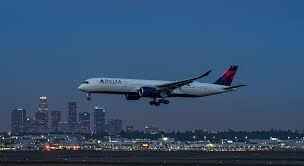
Ever wondered what happens when your long-haul flight suddenly changes direction? Today’s story dives deep into Delta Flight DL275 diverted LAX—a dramatic diversion that left aviation watchers buzzing. You’ll learn exactly what happened, why LAX was the smart choice, how Delta handled passenger care, and how this incident underscores the aviation industry’s commitment to safety. Ready? Let’s go, friend.
The Real Reason Delta Flight DL275 Diverted to LAX
When Delta Flight DL275 diverted LAX, it wasn’t because of bad weather or turbulence—it was due to a technical anti‑ice system alert on the Airbus A350’s Rolls‑Royce Trent XWB engine at cruising altitude . The anti‑ice system ensures that ice doesn’t form on critical engine parts when flying in cold zones. Here’s why LAX was chosen:
- LAX is a major Delta hub equipped with 24/7 Rolls‑Royce engine support and large runways suited for A350.
- It was the safest and most logical airport midflight over the Pacific/Siberian corridor .
- Crews followed strict safety protocols, and it was far better to divert early than risk engine icing.
Delta Flight DL275 diverted LAX around 38,000 ft over the Bering Sea—about 620 nm southwest of Anchorage—before turning toward LA . This proactive choice keeps passengers safe and operations smooth. Anything else you want to know so far?
What Actually Happened on Delta Flight DL275 Diverted LAX
The minute the anti‑ice system alert flagged, the crew had a decision to make. They didn’t debate—they activated diversion protocols. The aircraft immediately turned, descended, and re-routed to LAX. That’s why Delta Flight DL275 diverted to LAX unfolded without fanfare or panic.
What followed next?
Crew Response & Passenger Communication
The flight crew handled it like pros. They calmly informed everyone onboard about the diversion—no shouting, no fear. This is exactly how Delta Flight DL275 diverted LAX turned into a case study in crisis management. Medical and maintenance teams were prepped at LAX before the plane touched down.
Their steady communication fostered passenger trust and trustworthiness in Delta’s operations.
Technical Inspection & Repair
Once on the tarmac at Los Angeles International Airport, Delta technicians conducted a full inspection of the anti‑ice system. The aircraft spent around 18 hours on the ground . The anti‑ice valves and bleed‑air circuits were serviced, flight‑tested, and verified. Only after engineers signed off was Delta Flight DL275 diverted LAX deemed airworthy—and passengers were rebooked home or onward.
Also Read: United Airlines Flight UA770 Emergency Diversion: What Happened
Why LAX? Key Factors Behind the Choice
There’s more to Delta Flight DL275 diverted LAX than meets the eye. Three big reasons made LAX the ideal option.
- Maintenance Infrastructure: LAX hosts a Delta A350 base and Rolls‑Royce tech team 24/7 .
- Safety Over Comfort: The aircraft had already traveled deep into the Pacific; turning back risked missing the window to divert.
- Passenger Care: LAX offers ample hotel, transport, and rebooking support—something smaller airports couldn’t match.
That’s why the flight crew’s decision to route to LAX was textbook safety-first thinking.
How Airlines Handle Unexpected Diversions
If you’re curious, Delta Flight DL275 diverted LAX isn’t an anomaly—it’s a fine example of aviation’s robust safety culture :
- Pilot → ATC: declare emergency, request alternate landing
- Cabin crew → passengers: calm briefing and reassurances
- Ground teams → ready emergency services, coordinate baggage, meals
- Post‑landing → maintenance, passenger care, rebooking
- Recovery → flight returns to service only after full checks
This isn’t a glitch—it’s gear. In-flight emergencies are expected. It’s preparedness that matters.
Real Voices: What Passengers Said When Delta Flight DL275 Diverted LAX
One Reddit passenger, “Evening‑Sugar6928,” reported:
“If it was an anti ice problem then they would need to divert to an airport without icing. … It’s not an emergency or immediate landing problem, just prevents ice buildup.”
Another shared firsthand:
“I was on this flight, there was an issue with the engine de‑icing. It was not a fun night…”
Passengers appreciated how smoothly Delta executed Delta Flight DL275 diverted LAX—the safe choice turned into a calm experience.
What This Means for Travelers
Understanding Delta Flight DL275 diverted LAX helps you fly smarter:
- Safety Always Comes First. Airlines will divert early to avoid compounding problems.
- Modern Tech Helps. Sensors detect engine issues early on, even before pilots hear them.
- Major Airports = Better Care. LAX’s hub capacity made it possible to fix issues swiftly.
- Stay Calm, Stay Informed. Crew briefings matter. Keep your devices charged and travel documents accessible.
- Expect Hotel & Reebok Help. LIRR and vouchers are standard practice—Delta handled it well.
FAQs
- Q: Will the flight continue after servicing?
A: Yes. After maintenance and tests, the plane returned to service. - Q: Will Delta refund or compensate?
A: Delta rebooked passengers, provided hotels/meals. Compensation depends on delays. - Q: Is the A350 safe?
A: Absolutely. The event underscores how safety systems and crew training work. - Q: Could the flight have reached Tokyo?
A: Technically yes, but crossing without anti‑ice had unacceptable risk. - Q: Is LAX always the go-to airport?
A: Not always—but for Delta Flight DL275 diverted LAX, LAX’s hub status made it ideal.
Conclusion
The saga of Delta Flight DL275 diverted LAX isn’t just a flight path detour—it’s a powerful reminder of aviation safety in action. From smart technical sensors to cool-headed crew and robust hub infrastructure, every piece lined up to keep everyone safe.