
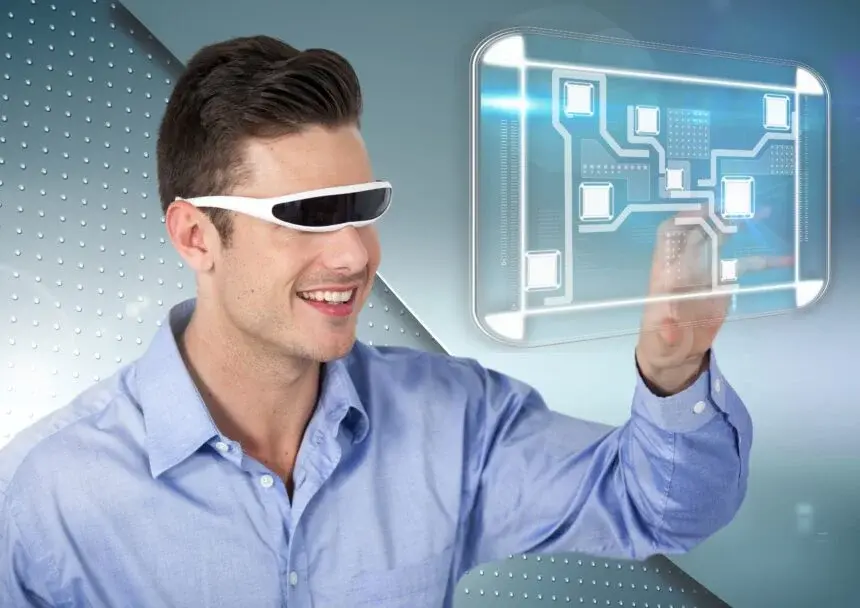
Imagine data, visuals, and digital materials shifting and transforming like light through a prism. Welcome to Prizmatem Technology. This deep dive explains what it is, highlights its key features, explores practical real-world applications, and shows how it empowers industries from healthcare to immersive media. By the end, it’s clear: Prizmatem Technology isn’t just a buzzword—it’s the future in focus.
Understanding Prizmatem Technology Explained
This section opens with a crisp line introducing what this concept means in clear terms.
Conceptual Foundation of Prizmatem Technology Explained
Prizmatem Technology Explained stems from the analogy of prisms refracting light—just as prisms split light into its component colors, Prizmatem Technology Explained splits data, visuals, or structural inputs into actionable outputs. In digital contexts, it refines raw input into ultra‑precise AR rendering, data dashboards, or material performance metrics. At its core, Prizmatem Technology Explained is about control, clarity, and customization—yielding results that adapt in real time to shifting conditions.
Dual Domain: Software and Material Applications
One impressive aspect of Prizmatem Technology Explained is its dual nature. At the software level, it’s used in AR/VR platforms that dynamically manipulate light and imagery for hyper‑realistic experiences. At the materials level, Prizmatem Technology Explained refers to engineered composites that align microstructures for strength, lightness, and eco‑efficiency. When you see Prizmatem Technology Explained in action, you find a system that bridges optics, AI, and materials science seamlessly.
Also Read : Explore Sodiceram’s Latest Ceramic Trends
Key Features of Prizmatem Technology Explained
Here’s a one‑line intro to the major advantages built into this tech.
Adaptive Light & Data Refracting System
At the heart of Prizmatem Technology Explained is its ability to adapt light and data streams in real time. Whether enhancing imaging in medical diagnostics or providing depth cues in VR, the system recalibrates continuously, ensuring clarity and precision. This feature means Prizmatem Technology Explained can handle variable inputs—like shifting ambient light or streaming data—and output consistent, high‑quality results. The benefit: delivers optimized visuals and analytics instantly.
Scalability Across Industries
Another hallmark of Prizmatem Technology Explained is its modular scalability. Industries from aerospace composites to architectural design integrate parts of Prizmatem Technology Explained—a light‑manipulating layer here, a micro‑structured material there. Companies can adopt partial modules and progressively expand usage. This kind of scalability means Prizmatem Technology Explained grows from prototypes to full deployments without losing fidelity or performance.
Applications of Prizmatem Technology Explained
Let’s explore where Prizmatem Technology Explained is transforming real‑world sectors.
Prizmatem Technology Explained shines brightest in areas demanding precision and adaptability:
- Medical Imaging & Diagnostics: Radiology and microscopy systems use Prizmatem Technology Explained to enhance contrast and clarity. Researchers report sharper scans and faster analysis—leading to quicker diagnosis and reduced patient wait times.
- AR/VR and Immersive Media: By constantly refracting rendering data, Prizmatem Technology Explained enables hyper-realistic virtual scenes. Depth, lighting, and textures adapt instantly to user movement, creating immersive experiences that feel natural.
- Sustainable Material Engineering: Structural panels and lightweight composites made with Prizmatem Technology Explained micro‑alignment deliver strength without mass. These materials find use in drones, automotive parts, and eco‑conscious architecture.
- Smart Analytics & Visualization Dashboards: Dashboards built with Prizmatem Technology Explained logic slice complex data into intuitive visual layers—think refracted charts that adjust as inputs change in real time—to guide executives instantly.
Each of these applications demonstrates how Prizmatem Technology Explained translates complex inputs into streamlined outputs, delivering measurable value across domains.
Case Study: Prizmatem Technology Explained in Healthcare
A one‑line intro prepares the case study narrative here.
In a mid‑size diagnostic center, adoption of Prizmatem Technology explained in imaging equipment delivered tangible benefits. Radiographers noted that scans rendered with Prizmatem Technology Explained algorithms revealed finer structural details in soft tissue scans. Doctors reported diagnosing micro‑lesions earlier.
The implementation reduced re‑scans by 25%, improving patient throughput. Staff described the experience as “seeing inside with a prism‑like clarity.” That real human impact shows how Prizmatem Technology Explained isn’t just theoretical—it directly enhances patient care.
Pros & Cons of Prizmatem Technology Explained
Brief intro to balancing advantages and limitations.
Pros of choosing Prizmatem Technology Explained include:
Precision: uncovers details traditional systems miss
Adaptability: auto‑adjusts to changing inputs
Scalability: works in software, hardware, and materials
Efficiency: often reduces energy or re‑processing work
Cons to consider:
Cost: initial investment can be higher due to advanced optics or materials engineering
Complexity: requires expert setup and calibration in early stages
Niche adoption: still emerging in many industries, so limited support ecosystems
Overall, Prizmatem Technology Explained offers elevated performance—but organizations must weigh initial complexity against long‑term benefits.
FAQs
One‑line intro sets the Q&A tone.
Q: Is Prizmatem Technology explained as a real commercial standard or a theoretical concept?
A: While its material aspects are still in prototyping, several software frameworks using Prizmatem Technology Explained logic are live in AR/VR and medical imaging. Extensions into material engineering are undergoing pilot trials.
Q: How does Prizmatem Technology Explained differ from conventional imaging or composite tech?
A: Conventional systems process light or data linearly. Prizmatem Technology Explained adds real‑time refractive control—splitting and adjusting inputs dynamically for vastly higher fidelity and responsiveness.
Q: Can smaller companies adopt Prizmatem Technology Explained?
A: Yes—modular versions are available. Many startups integrate only the digital or software side of Prizmatem Technology Explained before expanding into materials or analytics.
Why Prizmatem Technology Explained Matters — Today and Tomorrow
One‑line intro suggesting industry relevance.
The modern world demands agility, clarity, and eco‑efficiency—exactly where Prizmatem Technology Explained excels. In an age where AR experiences must be seamless and sustainable materials essential, Prizmatem Technology Explained aligns with both needs. It empowers industries to respond instantly to data shifts, light changes, and structural demands. That’s why analysts tout Prizmatem Technology Explained as “the next frontier in adaptive tech.”
Conclusion
In conclusion, Prizmatem Technology Explained is more than just a phrase; it’s a transformative approach uniting light, data, and material science in adaptive synergy. From sharper diagnostics to immersive virtual worlds and eco‑smart structural components, Prizmatem Technology Explained is pushing boundaries.